Matching double glazing to your home
The best new windows look as though they were always meant to be there. Getting that right is less about following rules and more about reading your own house — its age, its proportions and the details that give it character. Here is how to match double glazing to period and modern homes alike.
Windows are one of the largest visual features of any home, so a sympathetic choice repays itself every time you pull up outside. The three ingredients to balance are the frame material, the window style and the colour. Start with our frame materials comparison, then use the guidance below to suit it to your property.
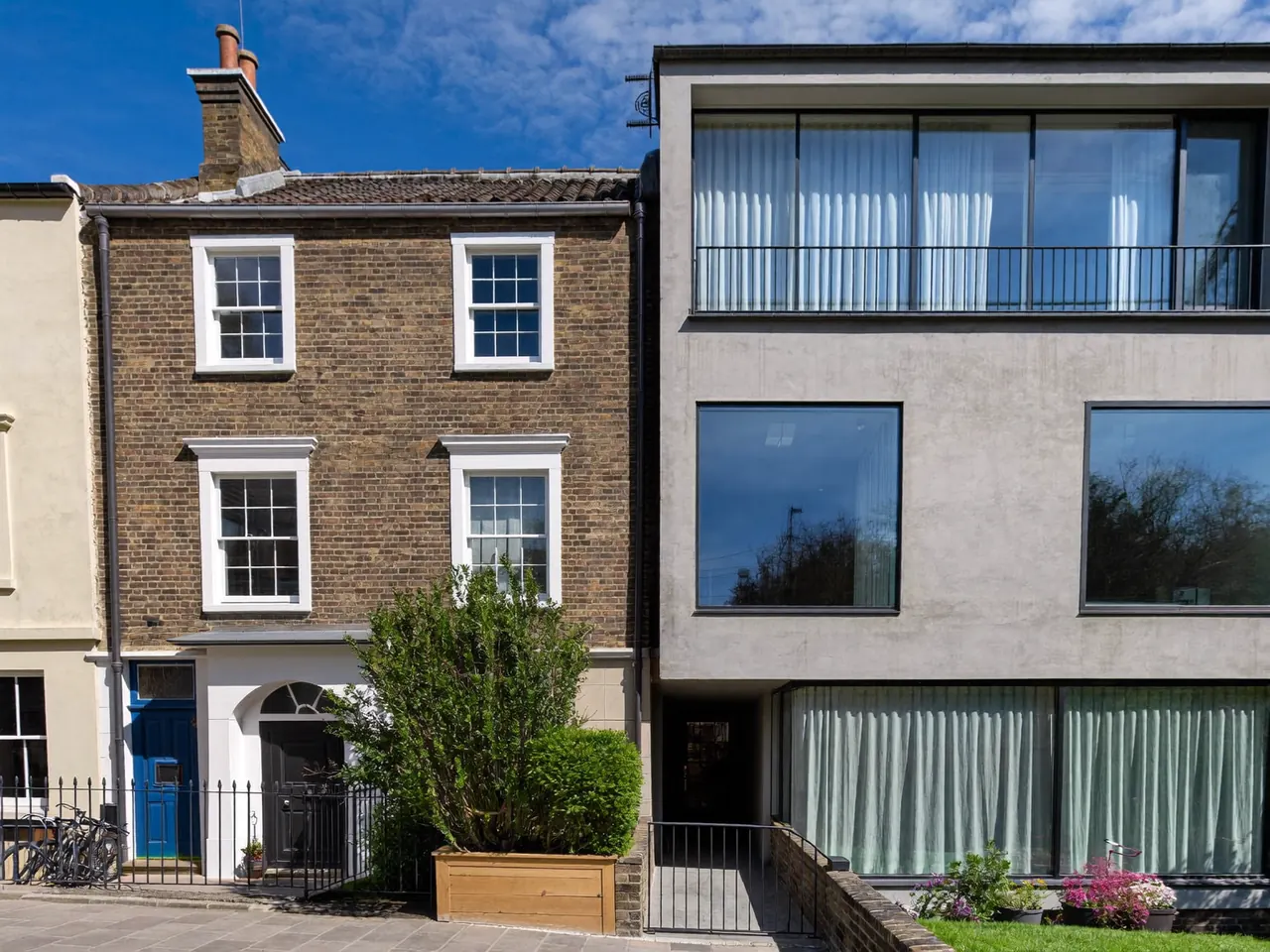
Period and Victorian homes
Older properties tend to suit traditional proportions and finishes. Sliding sash windows are the natural fit for Victorian and Georgian townhouses, while flush casements sit beautifully on cottages. Timber double glazing gives the most authentic result, though woodgrain uPVC and heritage colours can look convincing at a lower cost. If you are in a conservation area, check for any local planning requirements before you commit.
1930s and post-war semis
Interwar and post-war homes are wonderfully flexible. Bay windows, leaded or Georgian-bar glazing and warm cream or white frames all suit the era. Most homeowners here choose uPVC double glazing for its value and easy upkeep, picking a flush or standard casement to match the neighbours — see the difference in our flush versus standard casement guide.
See it matched to your property
Tell us about your home and we’ll match you with installers who know how to fit windows sympathetically. Requesting a quote is free, with no obligation.
Build my quote →Modern and new-build homes
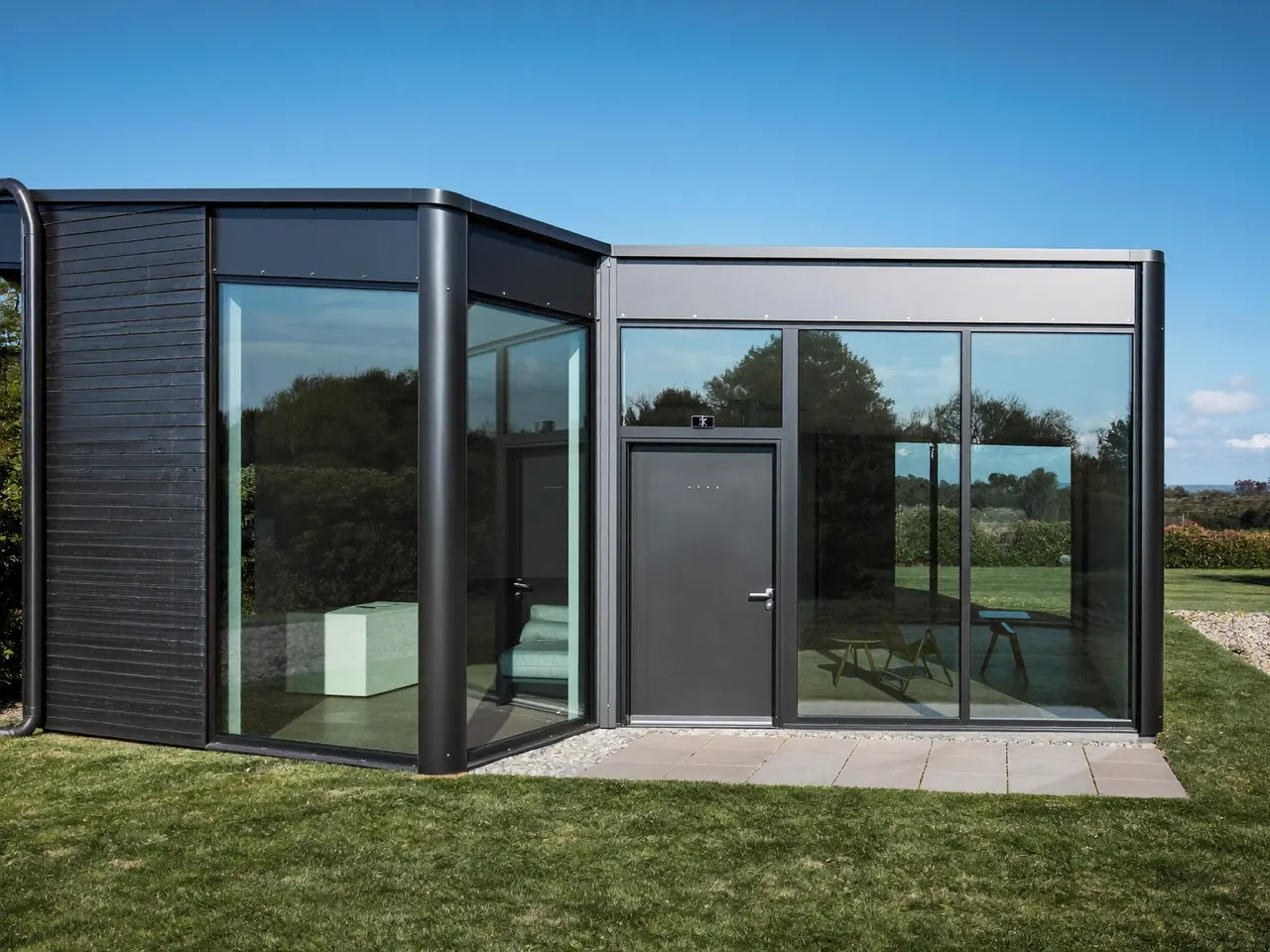
Contemporary properties can carry bolder, cleaner looks. Slim aluminium double glazing in anthracite grey or black is a popular way to maximise glass and daylight, and it pairs well with large sliding or bi-fold doors. Flat contemporary handles and minimal sightlines keep the whole elevation crisp.
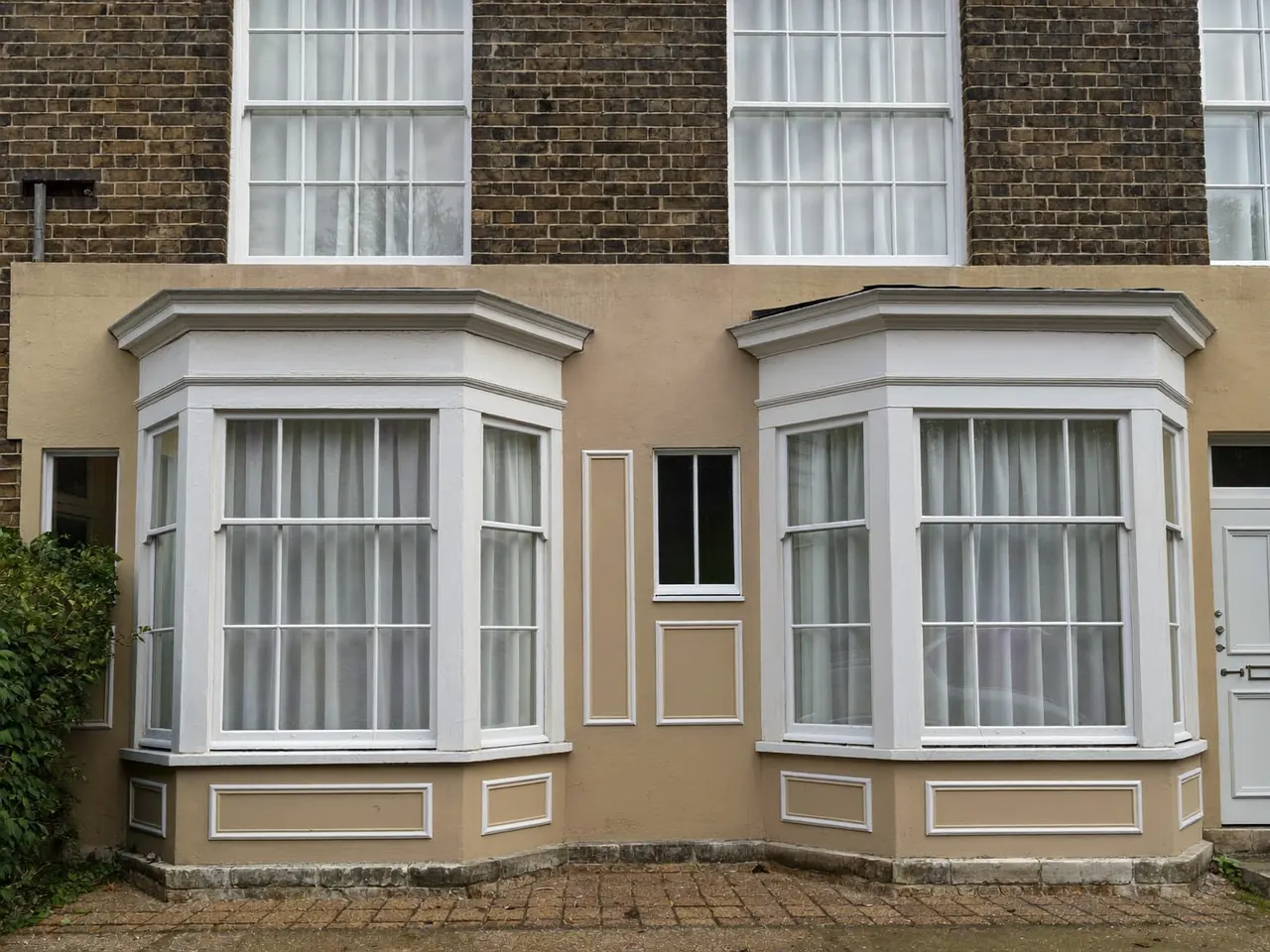
Terraced houses deserve a special mention, because what you do to your own frontage affects the look of the whole row. On a uniform Victorian or Edwardian terrace, keeping the window style and colour broadly in step with your neighbours preserves the rhythm of the street and tends to protect everyone’s kerb appeal. That does not mean you cannot make it your own — a well-chosen door colour or a subtle glazing bar can add character without breaking the pattern.
Colour, glass and the finishing details
Colour ties a scheme together: keep it consistent across the front elevation, and consider a different shade inside if it suits your rooms. Match the hardware and handles to the era, and specify glass options such as obscure glass for bathrooms or acoustic glass near busy roads. For more inspiration, read our verdict on the best window materials and how long new windows last, or compare glazing types and quotes and compare double glazing companies side by side.
When in doubt, ask the survey
You do not have to settle every detail up front. A good installer will visit, measure and advise on what suits your home during the survey, so the quote reflects real choices rather than guesswork. Funding and contribution options may be available, subject to eligibility and a home survey, and £0-upfront options may be available for those who qualify.