Flush vs standard casement double glazing
Two windows can use the same frame material and glass yet look noticeably different, simply because of how the opening sash sits in the frame. That is the difference between a flush casement and a standard casement — small on paper, but a big influence on the overall look of your home.
A casement window is one hinged at the side or top that swings open, and it is the most common window style in Britain. The flush-versus-standard question is purely about the profile: whether the opening sash sits level with the outer frame or slightly proud of it. Both are available in each of the materials in our frame materials comparison.
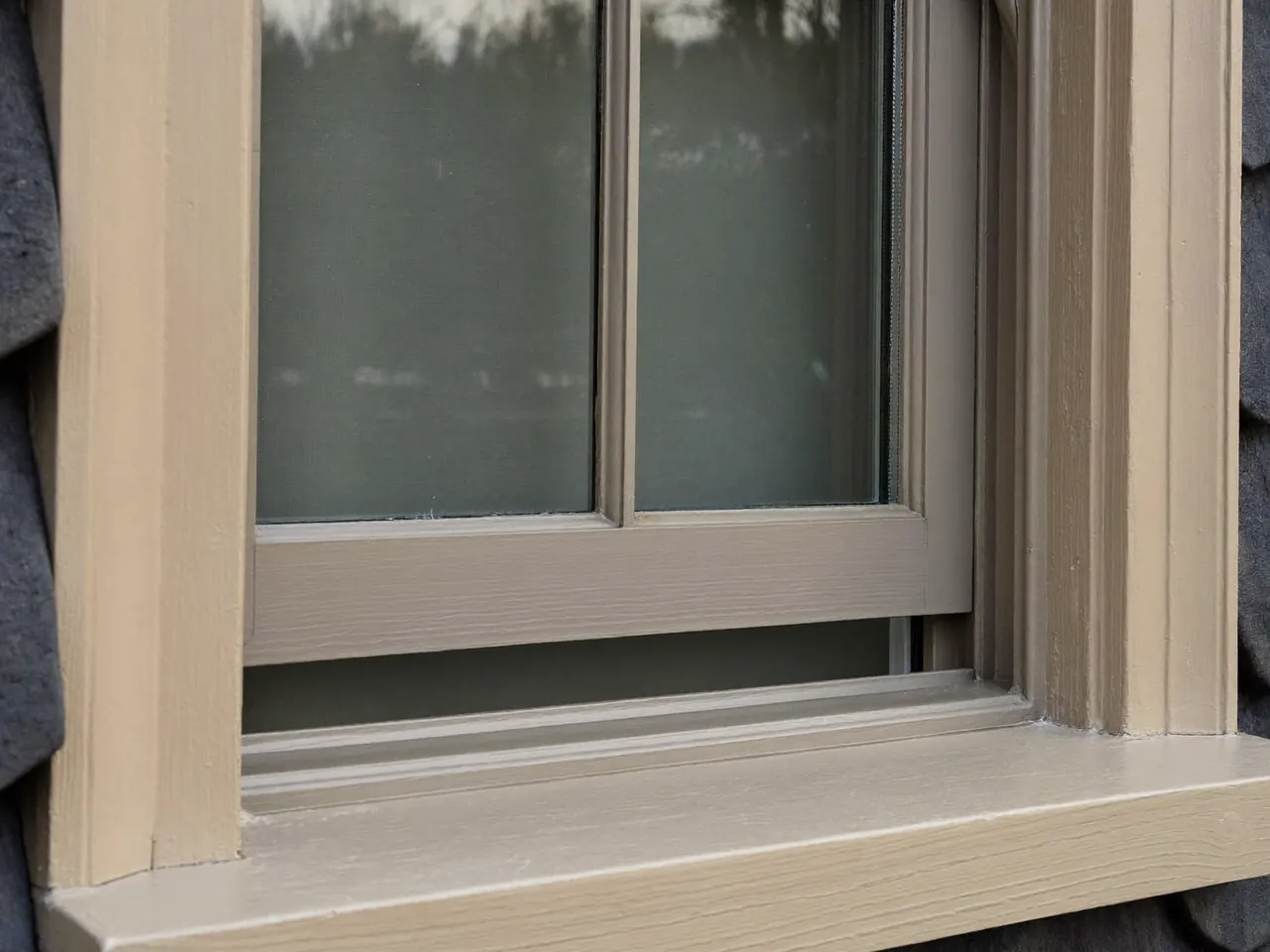
What is a flush casement?
On a flush casement, the opening sash closes into the frame so that the two sit perfectly level, giving a clean, flat face. This mimics the look of traditional timber joinery and has become very popular for a crisp, understated finish. Flush casements suit cottages, barn conversions and any home where you want a neat, period-sympathetic appearance.
What is a standard casement?
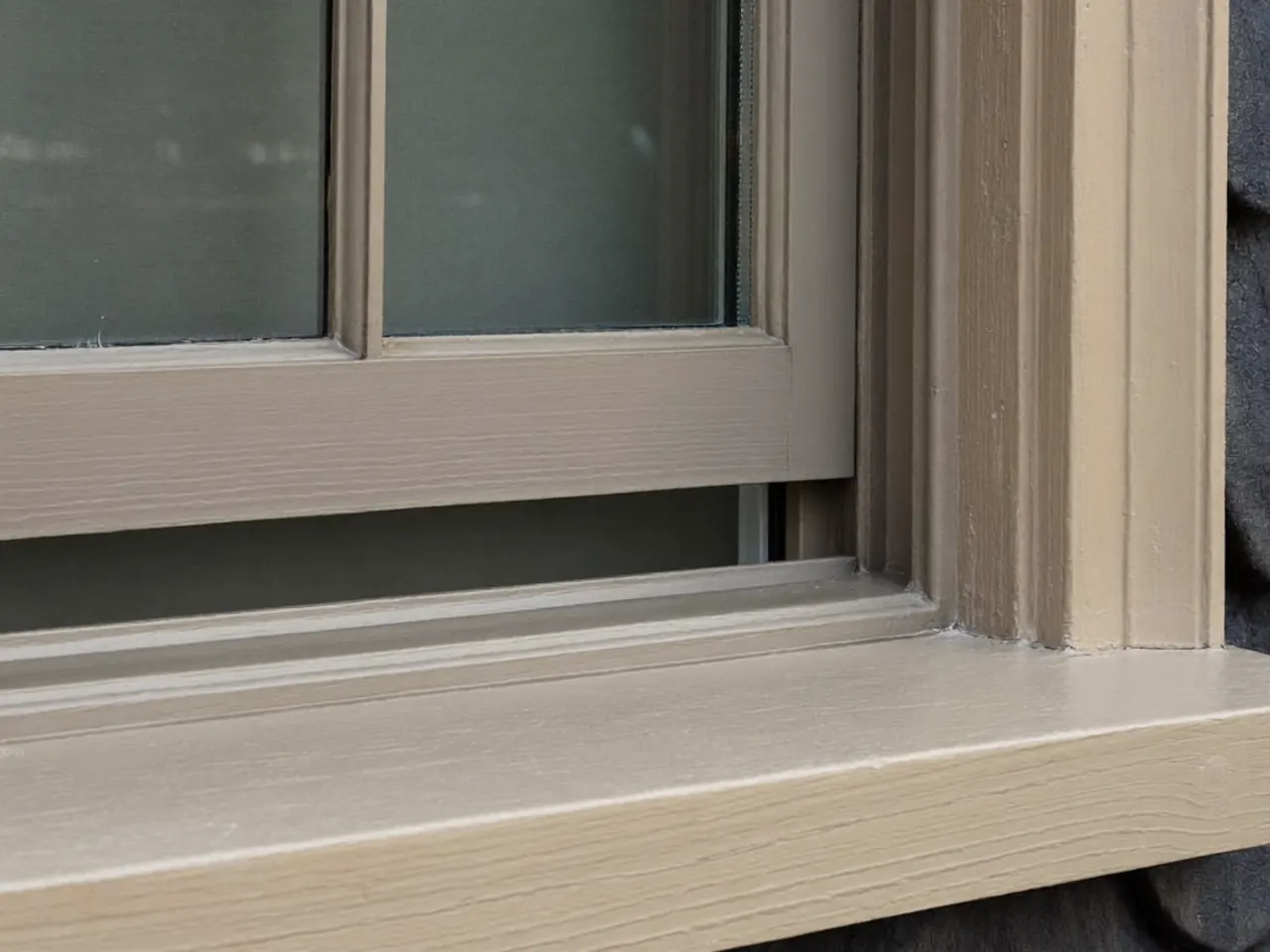
A standard casement has the opening sash sitting slightly proud of the frame, creating a subtle stepped or sculptured profile with a shadow line around each opener. It is the most widely fitted style, familiar on countless post-war and modern homes, and often a touch more economical.
Not sure which style to choose?
Tell us about your home and we’ll match you with installers who can quote for flush or standard casements. Requesting a quote is free, with no obligation.
Build my quote →Do they perform differently?
In everyday use, no. Both flush and standard casements open the same way, take the same modern sealed units and can be fitted with the same multi-point locks and weather seals, so warmth, security and draught-proofing come down to the specification rather than the profile. The difference is almost entirely visual. That said, a flush casement can give a slightly more seamless, joinery-like appearance because the face is flat, which some people feel reads as a touch more premium up close.
How to choose between them
It really comes down to look and budget. If you want the smartest, most traditional face — particularly on an older or rural property — a flush casement is usually the one. If you are matching existing windows on a modern estate, or keeping costs trimmed, a standard casement is a dependable choice. Both perform the same way once fitted with a good sealed unit, so this is an aesthetic decision more than a technical one. Our guide to matching double glazing to your home can help you picture each on your property.
Finishing the look
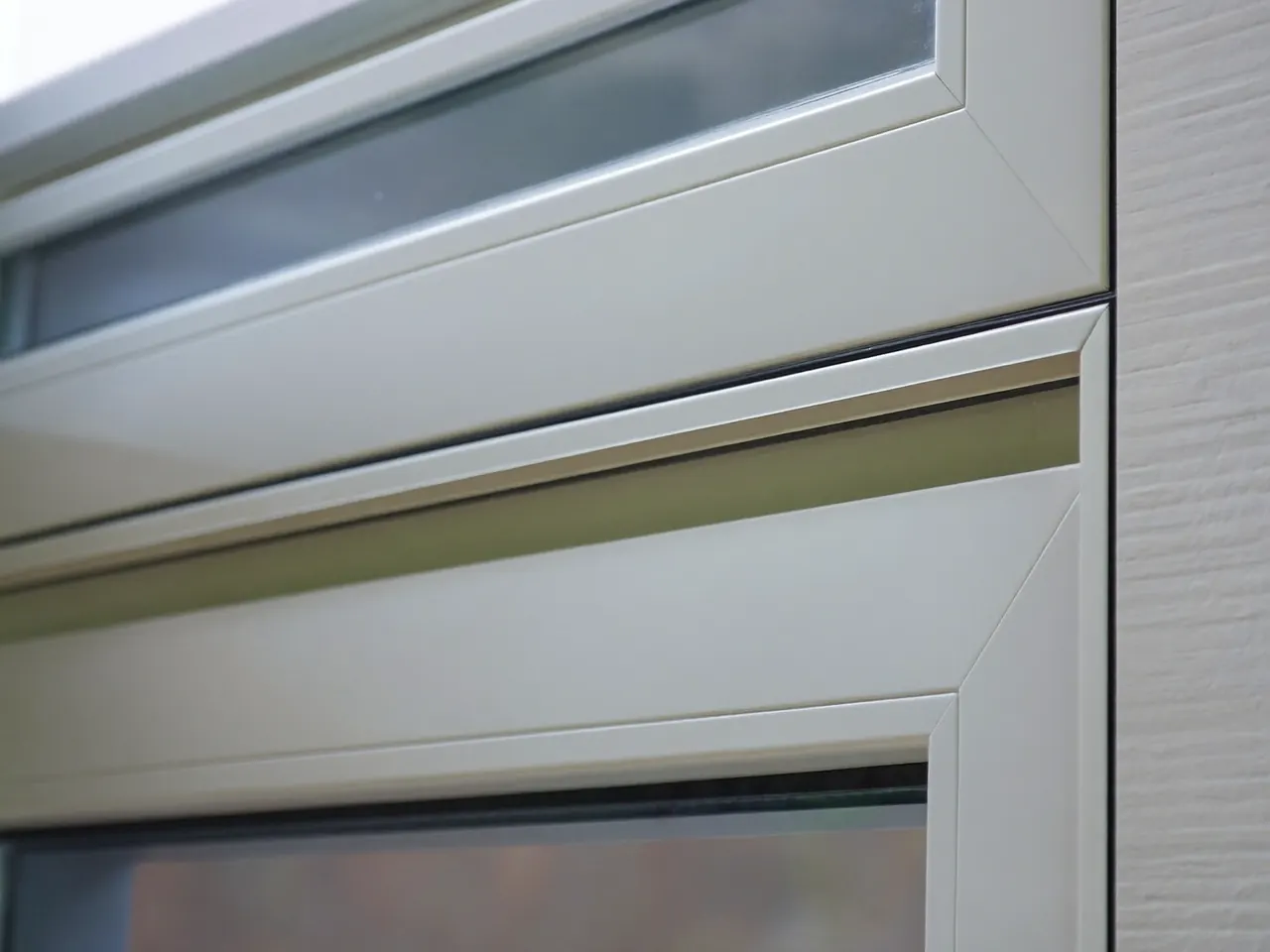
Once the profile is settled, the colour, glass and hardware pull it together. Consider your glass options for privacy and safety, and the hardware and handle choices that complete the style. For inspiration further afield, read our verdict on the best window materials and how long new windows last, or compare glazing types and quotes and compare double glazing companies side by side. Whichever you prefer, funding and contribution options may be available, subject to eligibility and a home survey.