Aluminium double glazing explained
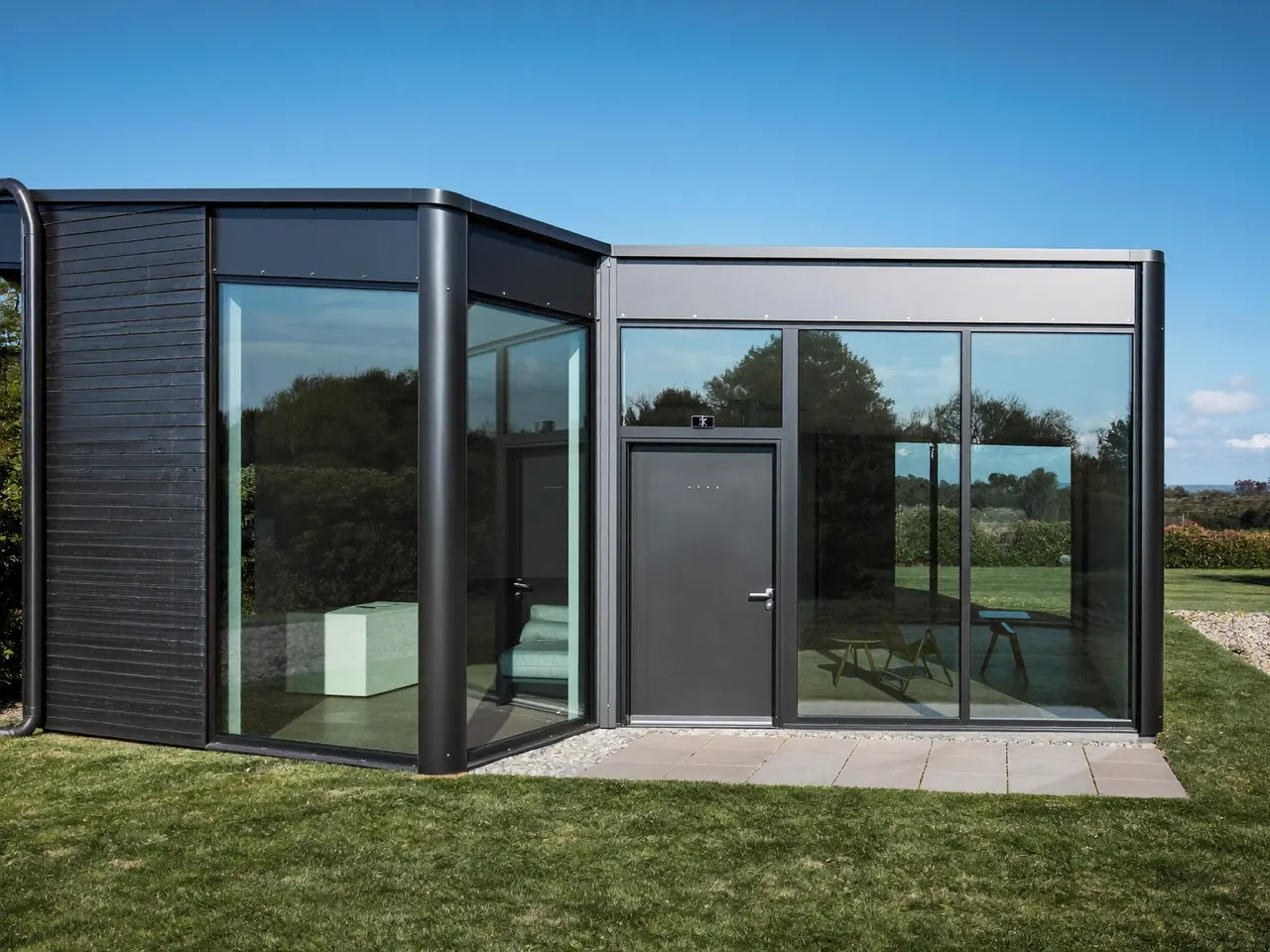
If you want maximum glass and minimum frame, aluminium is hard to beat. Its slim, strong profiles have become a favourite for modern homes and extensions. Here is how aluminium double glazing works, what makes it different and where it earns its premium.
Aluminium is a metal, so it can be formed into much thinner frames than uPVC while still holding large, heavy panes securely. That means narrower sightlines and more daylight for the same opening. If you are choosing between materials, our frame materials comparison puts aluminium alongside uPVC and timber.
The case for aluminium
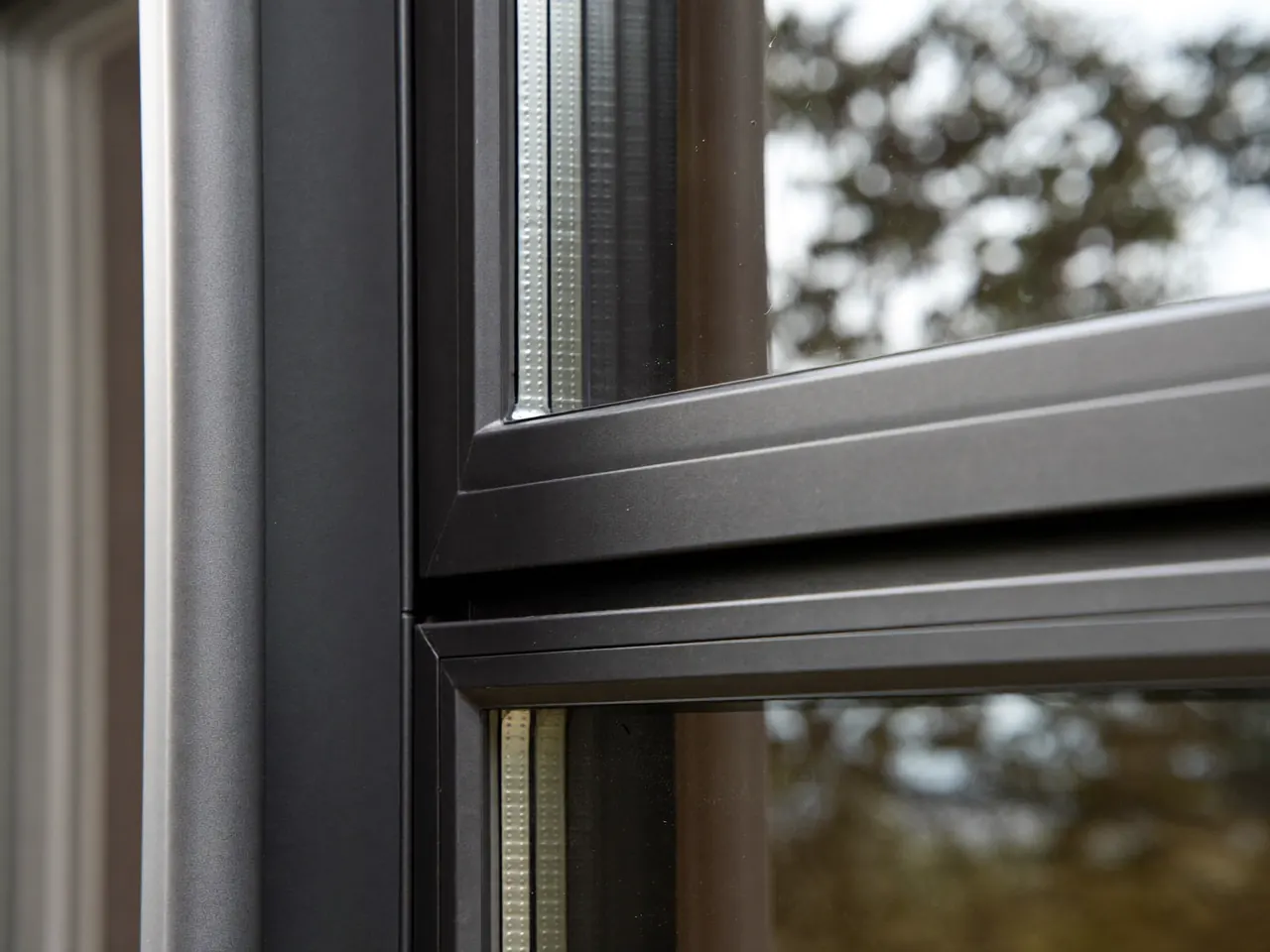
Aluminium’s biggest selling points are looks and longevity. The frames are slim and crisp, and the factory-applied powder coating is extremely tough — it resists knocks, weather and fading, so windows keep their finish for many years with next to no upkeep.
- Slim sightlines: narrow frames maximise glass and daylight.
- Strength: ideal for large panes, sliding doors and bi-folds.
- Colour choice: almost any RAL shade, in matt or gloss powder coat.
- Low maintenance: a durable finish that simply needs the occasional clean.
See aluminium priced for your project
Tell us about your windows and we’ll match you with installers who fit quality aluminium systems. Requesting a quote is free, with no obligation.
Build my quote →Thermal performance and modern systems
Older aluminium had a reputation for feeling cold, but that is history. Today’s frames use a “thermal break” — an insulating barrier inside the profile that stops heat escaping through the metal. Combined with a good sealed unit, modern aluminium windows perform well. According to the Energy Saving Trust, upgrading to modern double glazing reduces heat loss compared with older windows, with the benefit depending on your starting point.
Aluminium is also a naturally strong and stable material, which is why it is the go-to choice for very large panes, sliding doors and bi-folds that would be impractical in other frames. Because the frame carries the weight so well, you can have bigger openings and uninterrupted views without the sightlines growing chunky. That strength, combined with the corrosion resistance of the metal and its powder coating, is what gives aluminium its reputation for longevity.
Colours, styles and finishing details
Anthracite grey is the runaway favourite, but aluminium is available in an enormous colour palette, including dual-colour options with a different shade inside and out. It works across casement windows, sliding sash styles and large glazed doors. Pair it with the right handles from our hardware and handle choices, and consider your glass options for privacy, safety and comfort.
Is aluminium worth the premium?
Aluminium usually costs more than uPVC, so it comes down to how much you value the slim look and long life. For a period frontage, timber double glazing may suit better, while uPVC double glazing remains the value choice. Funding and contribution options may be available, subject to eligibility and a home survey, and £0-upfront options may be available for those who qualify. To weigh it up, read our verdict on the best window materials, see how long new windows last, and compare glazing types and quotes or compare double glazing companies side by side.