Glass options for your double glazing
The frame gets the attention, but the glass does much of the work. Beyond the standard sealed unit, you can specify glass that adds safety, privacy, security or extra warmth to particular windows. Here are the main double glazing glass options and when each is worth choosing.
Every modern double glazed window is a sealed unit: two panes with an insulating gap between them, usually filled with argon gas and separated by a spacer bar. From that starting point, you can upgrade individual panes to suit the room. Whichever frame you pick from our frame materials comparison, these glass choices apply.
Toughened (safety) glass
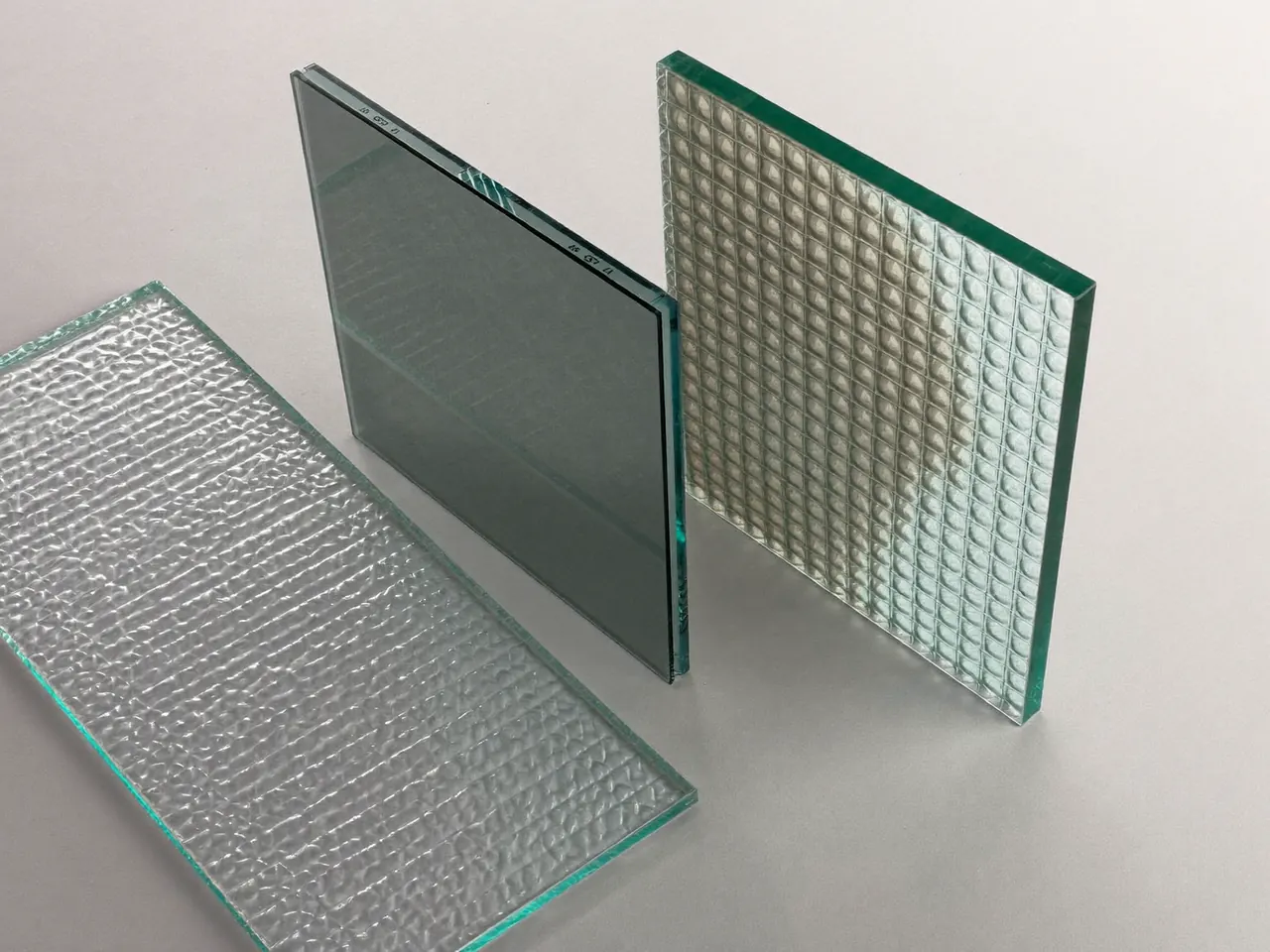
Toughened glass is heat-treated to be far stronger than ordinary glass, and if it does break it crumbles into small, blunt pieces rather than sharp shards. Building regulations require safety glass in “critical locations” such as doors, side panels and low-level windows, so your installer will specify it where needed.
Obscure (privacy) glass
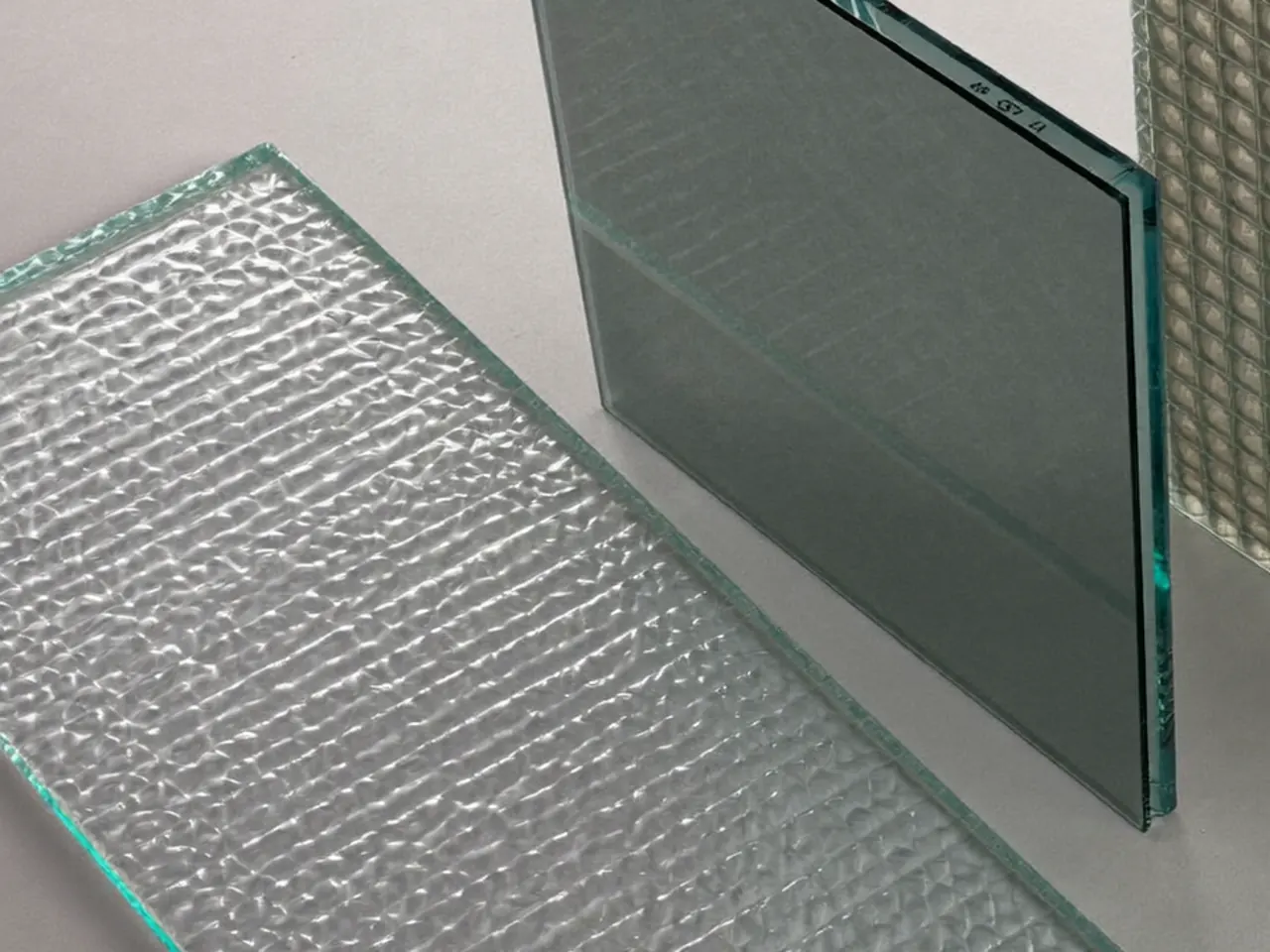
Obscure glass is textured or frosted to let light through while blurring the view, making it ideal for bathrooms, en-suites and front doors. It comes in a range of patterns and privacy levels, so you can balance daylight against how much you want to screen from outside.
Spec the right glass for each room
We’ll match you with installers who can quote for toughened, obscure or laminated glass where you need it. Requesting a quote is free, with no obligation.
Build my quote →Laminated (security and acoustic) glass
Laminated glass has a tough interlayer bonded between two panes, so it holds together if struck — useful for security and for ground-floor windows. The same interlayer also dampens sound, which makes laminated glass a popular choice near busy roads or railways where you want a quieter home.
Low-E and energy-efficient glass
Most new units include a low-emissivity (low-E) coating, an invisible layer that reflects heat back into the room while still letting light in. According to the Energy Saving Trust, energy-efficient glazing helps reduce heat loss compared with older single glazing, with the exact benefit depending on your home. You can also learn how long new windows last to judge the long-term value.
Decorative and Georgian-bar glass
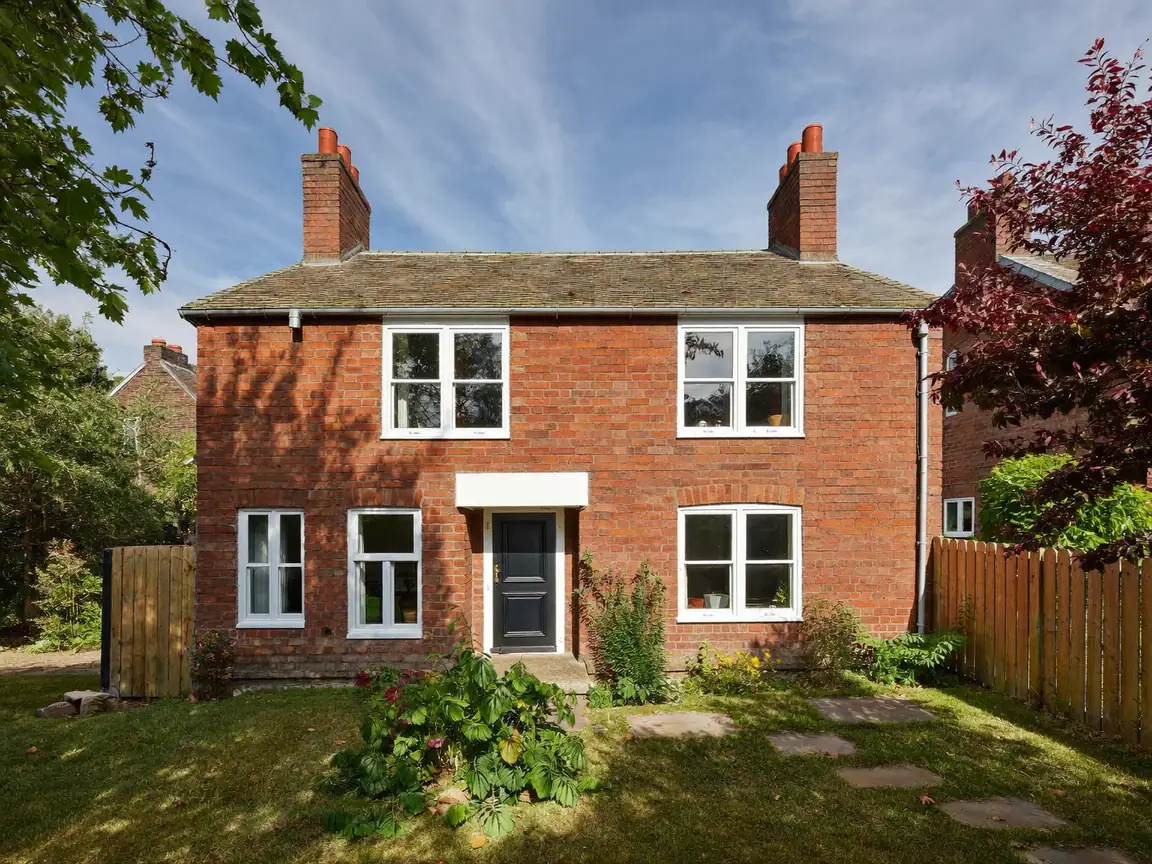
Glass is also where a lot of a window’s character comes from. Georgian bars, either bonded to the glass or set within the sealed unit as a spacer, recreate the divided-light look of traditional windows, while leaded and stained-glass effects suit certain period properties. These are cosmetic choices rather than performance ones, but they can make a real difference to how sympathetically new windows sit on an older home — our guide to matching double glazing to your home covers this in more depth.
Putting it together
You do not need to specify every option everywhere — the trick is matching the glass to the room. Your installer will handle the safety-glass requirements, and you can add obscure or acoustic glass where it helps. Consider it alongside your hardware and handle choices and, if you are pricing a whole house, our guide to a personalised double glazing quote. For wider research, read our verdict on the best window materials, or compare glazing types and quotes and compare double glazing companies side by side.