Timber double glazing explained
For character and authenticity, nothing quite matches real wood. Timber double glazing brings genuine grain and a traditional profile to period and conservation homes, with modern sealed units hidden inside. Here is how it works and what to expect from the upkeep.
Timber frames are made from engineered or solid wood, factory-finished with protective paints or stains before they reach your home. They pair the warmth and looks of a classic window with the comfort of modern double glazing. If you are still choosing, our frame materials comparison sets timber against uPVC and aluminium.
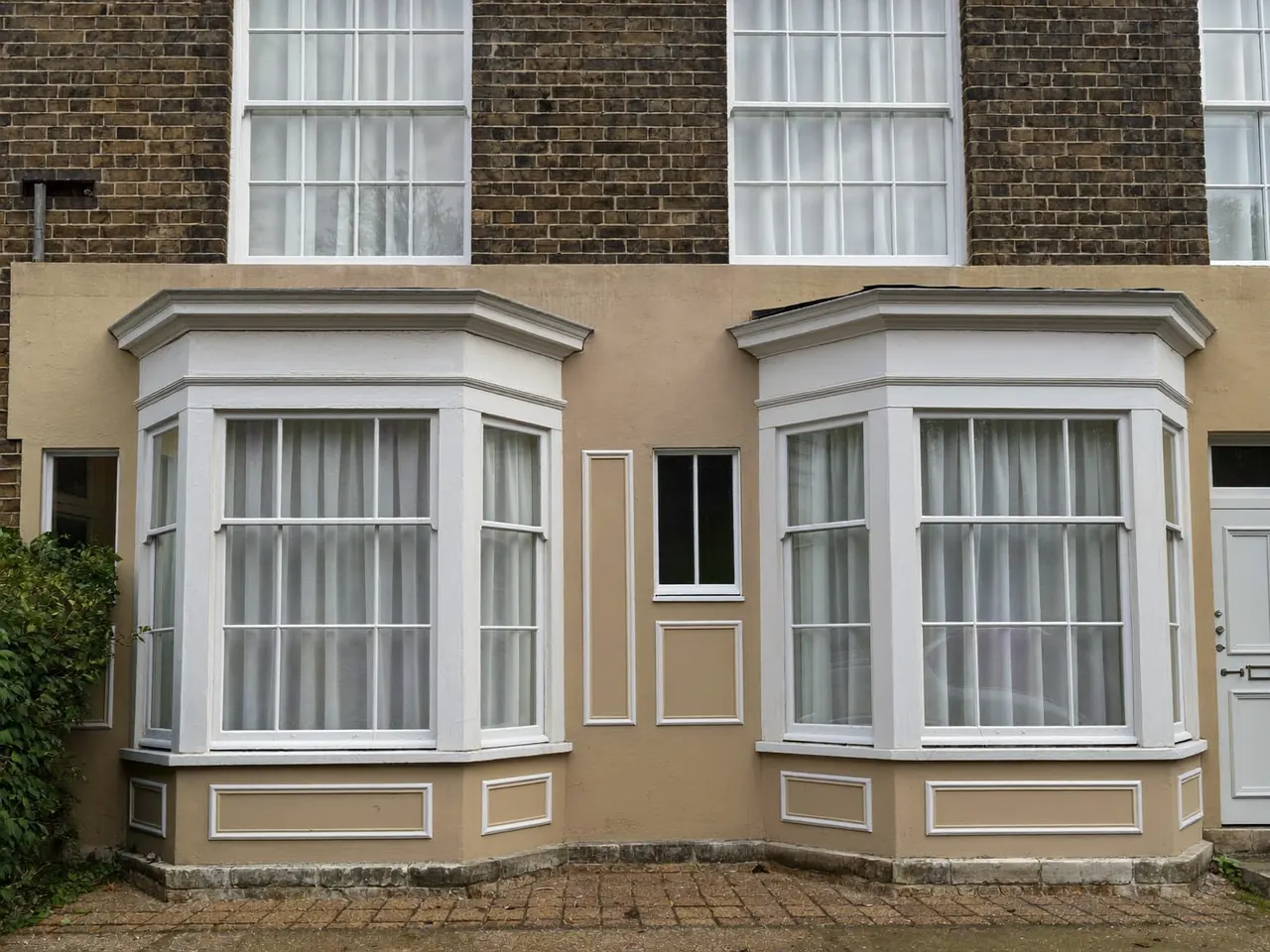
Why choose timber
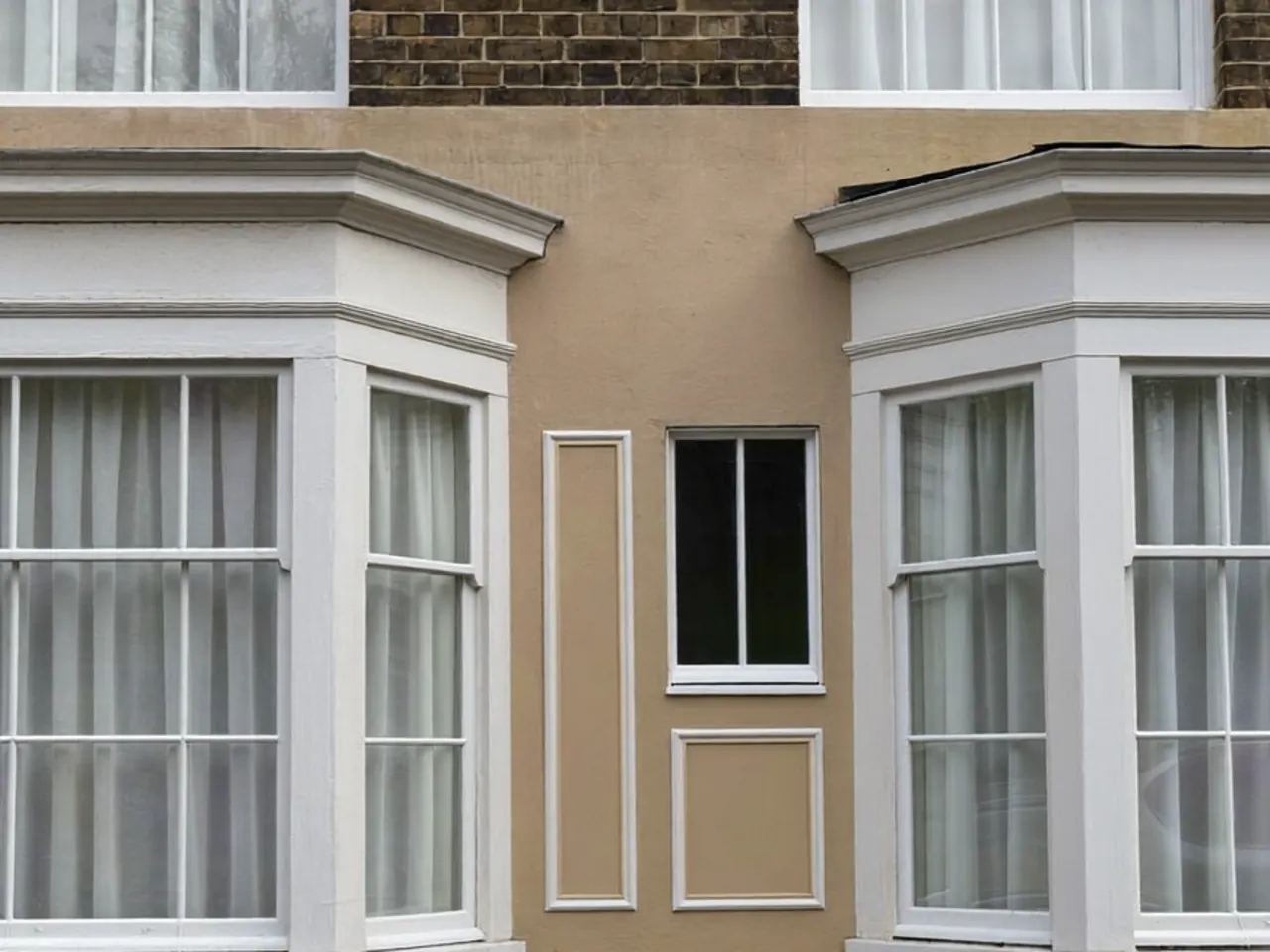
Timber is chosen with the heart as much as the head. On a Victorian villa, a cottage or a home in a conservation area, a well-made timber window looks right in a way other materials struggle to match. It can also be repaired and refinished over its life rather than replaced wholesale.
- Authentic looks: real grain and traditional profiles for heritage homes.
- Sympathetic styles: sliding sash and flush casement designs that suit older properties.
- Colour your way: painted or stained in the exact shade you choose.
- Naturally insulating: wood is a good insulator, paired with modern glass.
See timber priced for your home
We’ll match you with installers who specialise in quality timber windows and doors. Requesting a quote is free, with no obligation.
Build my quote →An honest word on maintenance
Timber asks for a little more care than uPVC or aluminium. Today’s microporous factory finishes last far longer than the gloss paints of the past, but you should still expect to inspect the coating periodically and refresh it every several years, depending on how exposed your windows are. Treated well, a quality timber window can last for decades — you can read more about how long new windows last.
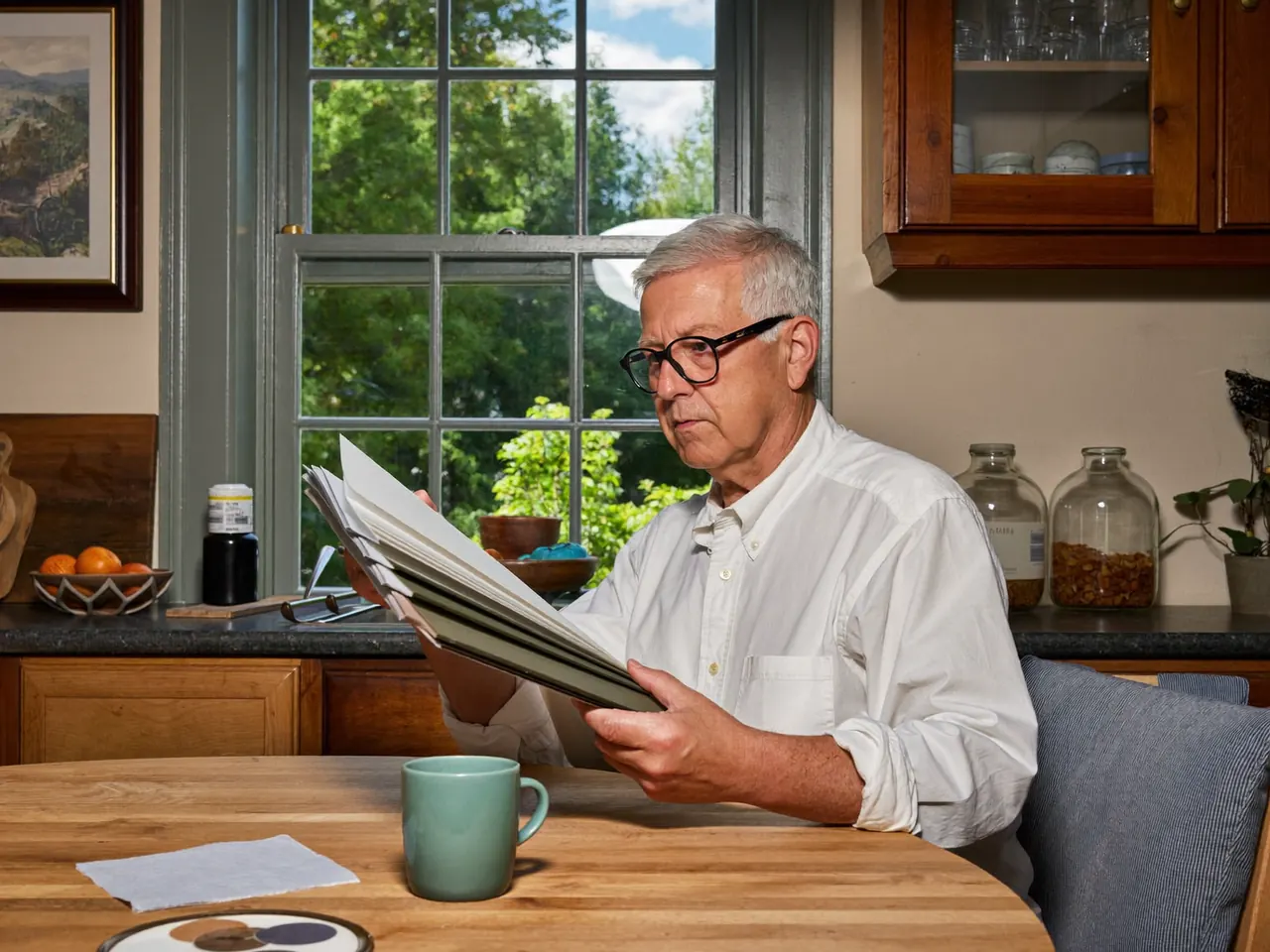
One of timber’s quiet advantages is how completely you can colour it. Because the frames are painted or stained rather than coloured through, you are not limited to a handful of foils — heritage shades such as sage green, dusky blue and off-white all sit beautifully on older homes, and you can refresh the colour later if your taste changes. Real wood also has a warmth to the touch and a depth of grain that photographs never quite capture, which is why so many owners of period properties feel it is worth the extra care.
Styles and finishing touches
Sliding sash windows are the classic timber choice for townhouses and terraces, while flush casements suit cottages and country homes — see the difference in our guide to flush versus standard casement double glazing. Traditional or contemporary handles, in finishes such as chrome, brass or black, complete the look; browse the hardware and handle choices.
Is timber right for you?
If your priority is heritage character and you are happy with a little upkeep, timber rewards you. If you would rather fit and forget, uPVC double glazing or aluminium double glazing may suit better, and our guide to matching double glazing to your home can help you decide. Funding and contribution options may be available, subject to eligibility and a home survey, and £0-upfront options may be available for those who qualify. For a broader view, read our verdict on the best window materials, and compare glazing types and quotes or compare double glazing companies side by side.