uPVC double glazing explained
uPVC is the material behind most of the new windows you see on British streets, and for many homeowners it is the sensible starting point. Here is what uPVC double glazing actually is, where it shines and the details worth knowing before you request a quote.
uPVC stands for unplasticised polyvinyl chloride — a rigid, weather-resistant plastic used to make window and door frames. It is popular because it balances price, warmth and low upkeep better than almost anything else. If you are still weighing materials, our frame materials comparison sets uPVC against aluminium and timber directly.
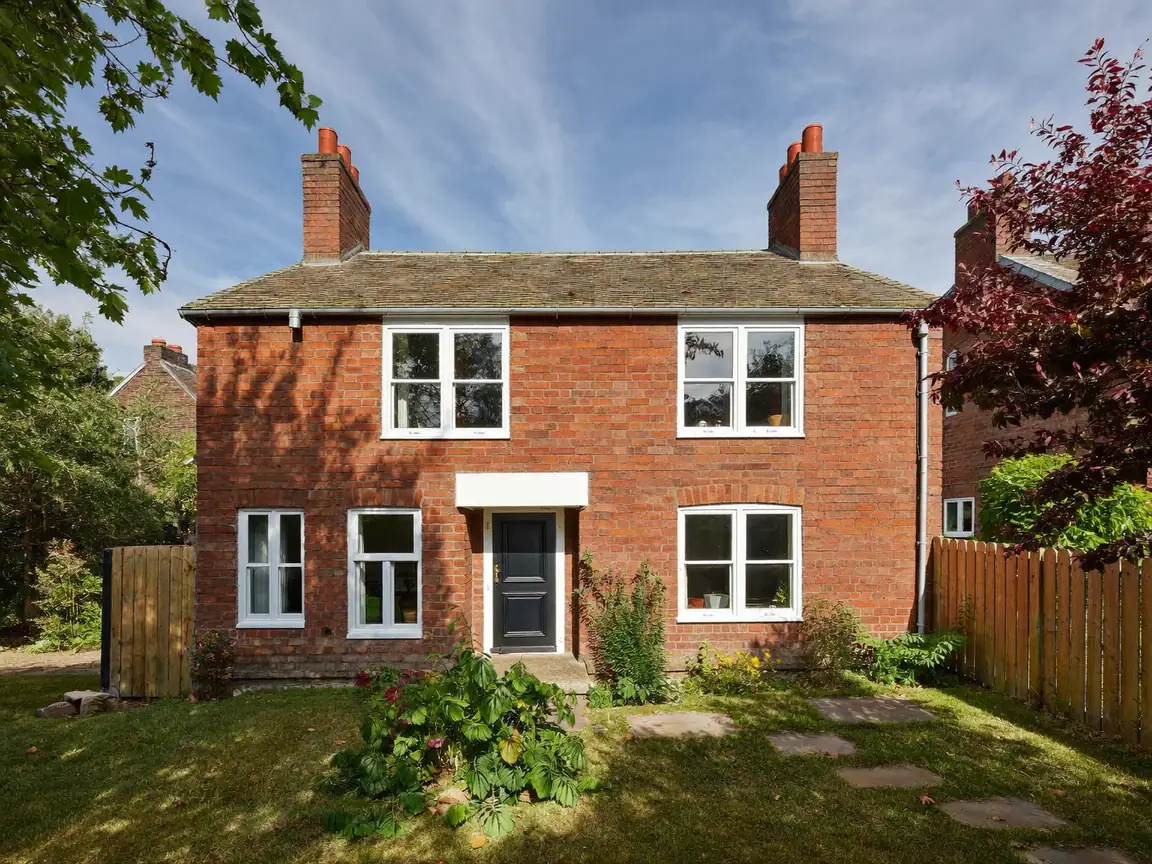
Why homeowners choose uPVC
The headline is value. uPVC is typically the most affordable frame material, which makes it easy to do a whole house at once rather than a few windows at a time. It also performs well thermally: the multi-chamber profile traps air and, paired with a modern sealed glass unit, helps keep rooms warmer and quieter.
- Low maintenance: no painting — an occasional wipe keeps frames looking fresh.
- Warm and quiet: good insulation against both cold and outside noise.
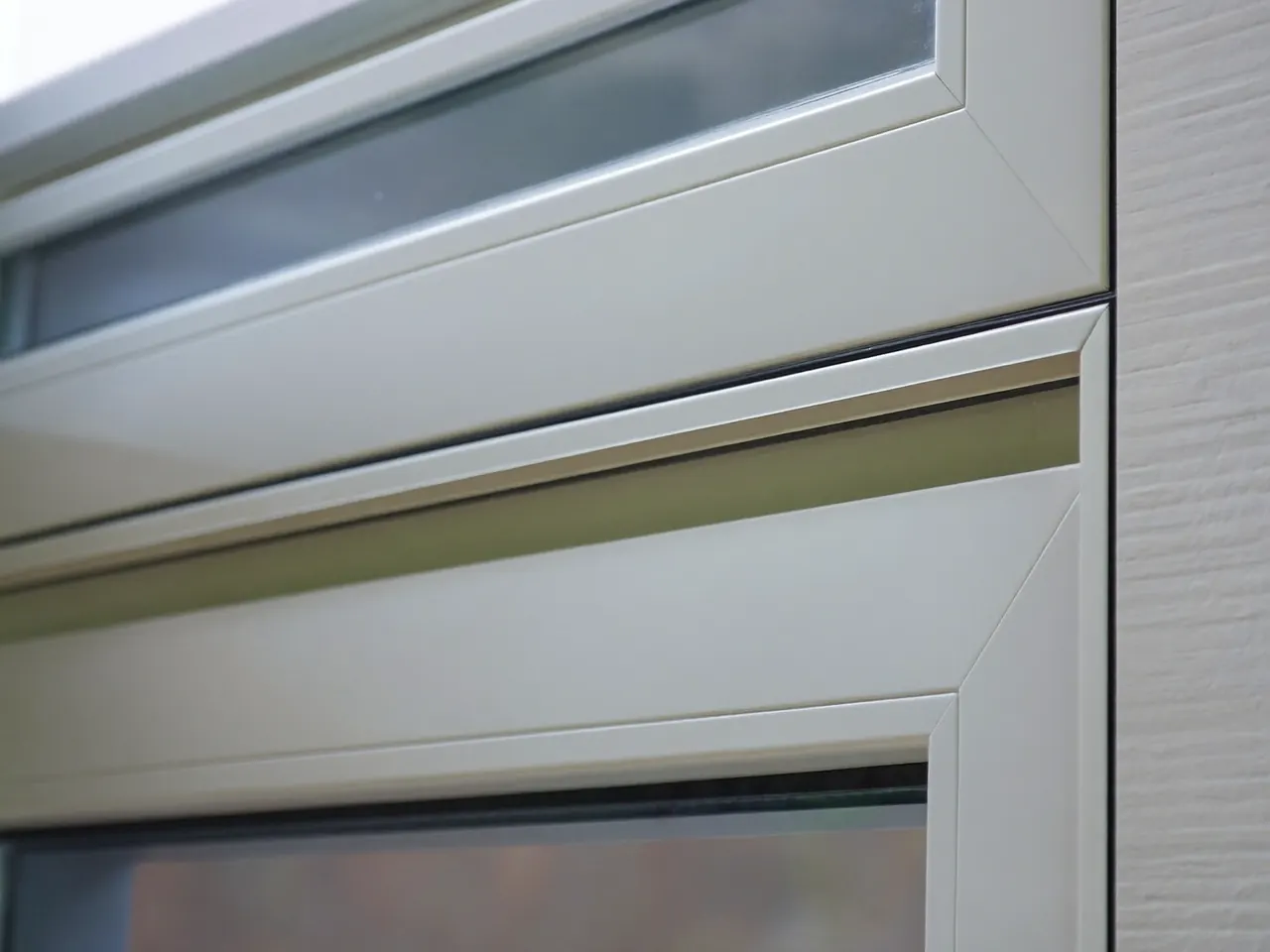
- Wide choice: whites, greys, black and realistic woodgrain foils.
- Versatile styles: flush or standard casement, sliding sash, tilt-and-turn and more.
See uPVC priced for your home
We’ll match you with installers who can quote for uPVC windows in the style and colour you like. Requesting a quote is free, with no obligation.
Build my quote →Colours and finishes
Plain white uPVC is still the most common and the most economical, but coloured foils have transformed the look. Anthracite grey is hugely popular on modern homes, while cream and woodgrain finishes such as light oak or rosewood sit well on traditional properties. You can even have a different colour inside and out. The right handles and hardware finish the look — see our guide to hardware and handle choices.
Where uPVC works best — and where it might not
uPVC suits the vast majority of homes, from 1930s semis to new-builds. The one area where people sometimes look elsewhere is very slim sightlines or conservation-area frontages, where aluminium double glazing or timber double glazing can be more appropriate. For older properties in particular, it is worth reading matching double glazing to your home before deciding.
Security and everyday practicality
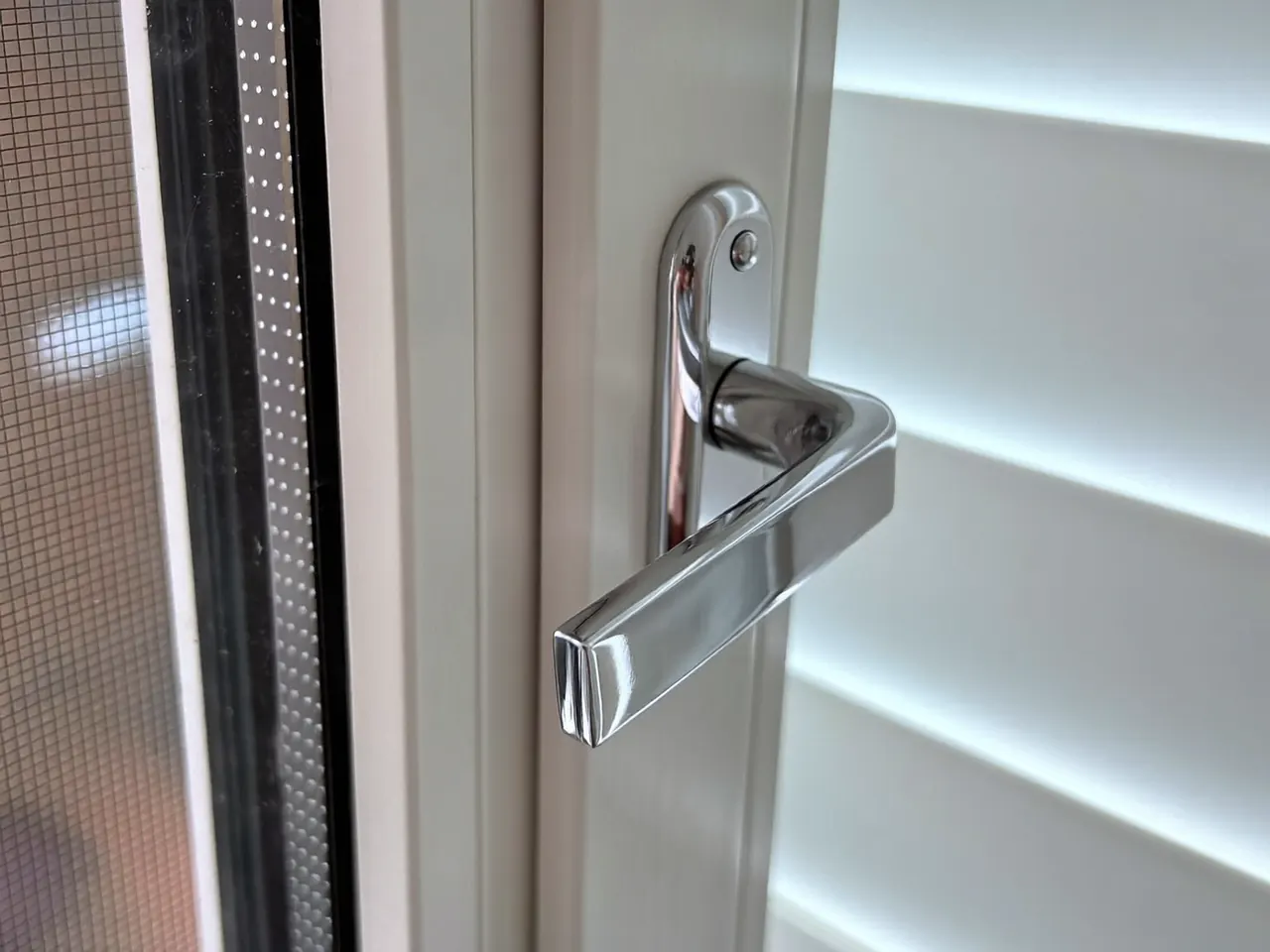
Modern uPVC windows are far from flimsy. The frames are reinforced internally, and casements are fitted with multi-point locking that engages several bolts around the frame with a single lift of the handle. Add toughened or laminated glass where it matters and you have a genuinely secure window — see our glass options guide. Day to day, uPVC copes cheerfully with British weather: it will not rot, warp or need repainting, and a wipe with warm soapy water keeps it looking smart. That combination of low fuss and dependable security is a big part of why so many families choose it.
Costs and value over time
Because uPVC is affordable up front and cheap to maintain, it tends to offer strong value over the years. According to the Energy Saving Trust, replacing older windows with modern double glazing generally lowers heat loss, though your saving depends on what you are starting from. Funding and contribution options may be available, subject to eligibility and a home survey, and £0-upfront options may be available for those who qualify. For a wider view, read our verdict on the best window materials and see how long new windows last. You can also compare glazing types and quotes or compare double glazing companies side by side.