uPVC vs aluminium vs timber double glazing
The frame material is the biggest single decision in any double glazing project. It sets the look, the price, the upkeep and how the windows will feel to live with. Here are the three main double glazing frame materials compared honestly, so you can weigh them up for your own home.
There is no outright winner — only the material that best fits your property, your budget and your taste. uPVC, aluminium and timber each earn their place, and plenty of homes end up mixing them, say aluminium at the rear extension and timber at the front. Below we look at each in turn, then bring it together in a quick comparison table.
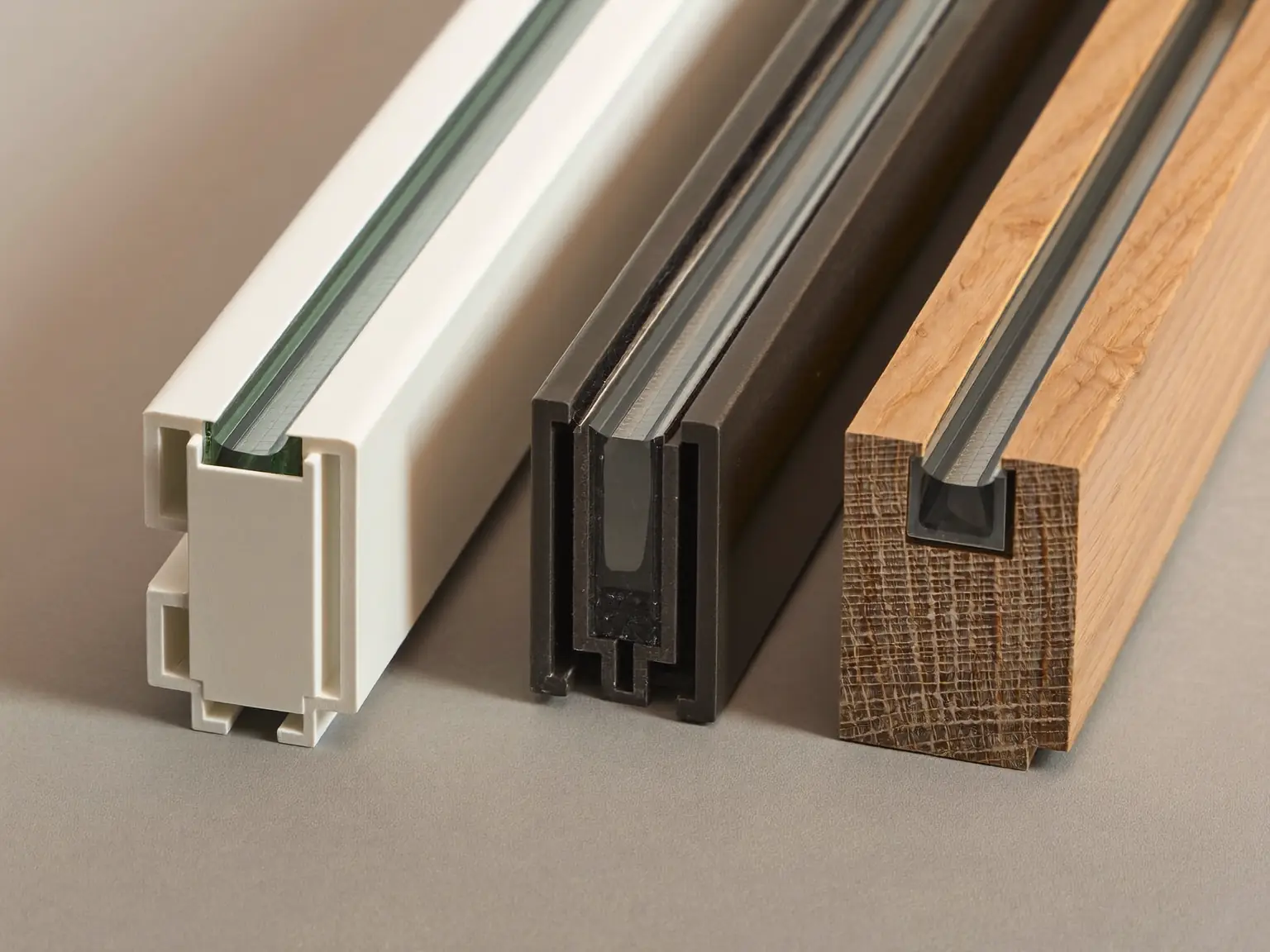
uPVC: the value all-rounder
uPVC is the most popular choice in Britain for good reason. It is warm, low-maintenance and the most affordable route to a big improvement, with strong thermal performance and a wipe-clean finish. Modern woodgrain foils mean it no longer has to look plasticky, and it comes in a wide range of colours. Read uPVC double glazing explained for the full picture.
Aluminium: slim, strong and contemporary
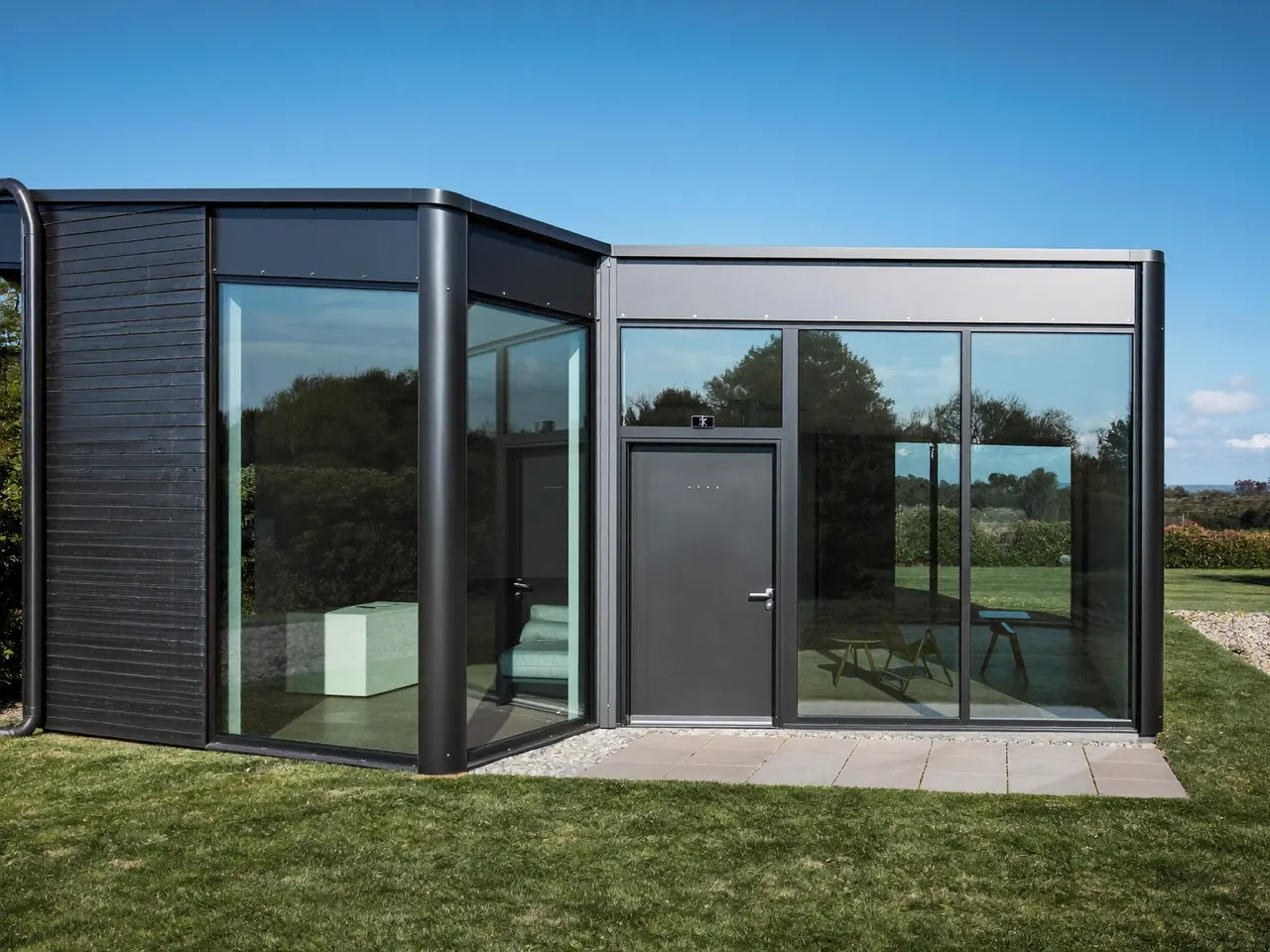
Aluminium frames are much slimmer than uPVC, so you get narrower sightlines and more glass for the same opening. The powder-coated finish is tough and keeps its colour for years, which suits large panes, bi-folds and modern extensions beautifully. It costs more than uPVC but lasts a long time — see aluminium double glazing explained.
Timber: natural warmth and heritage character
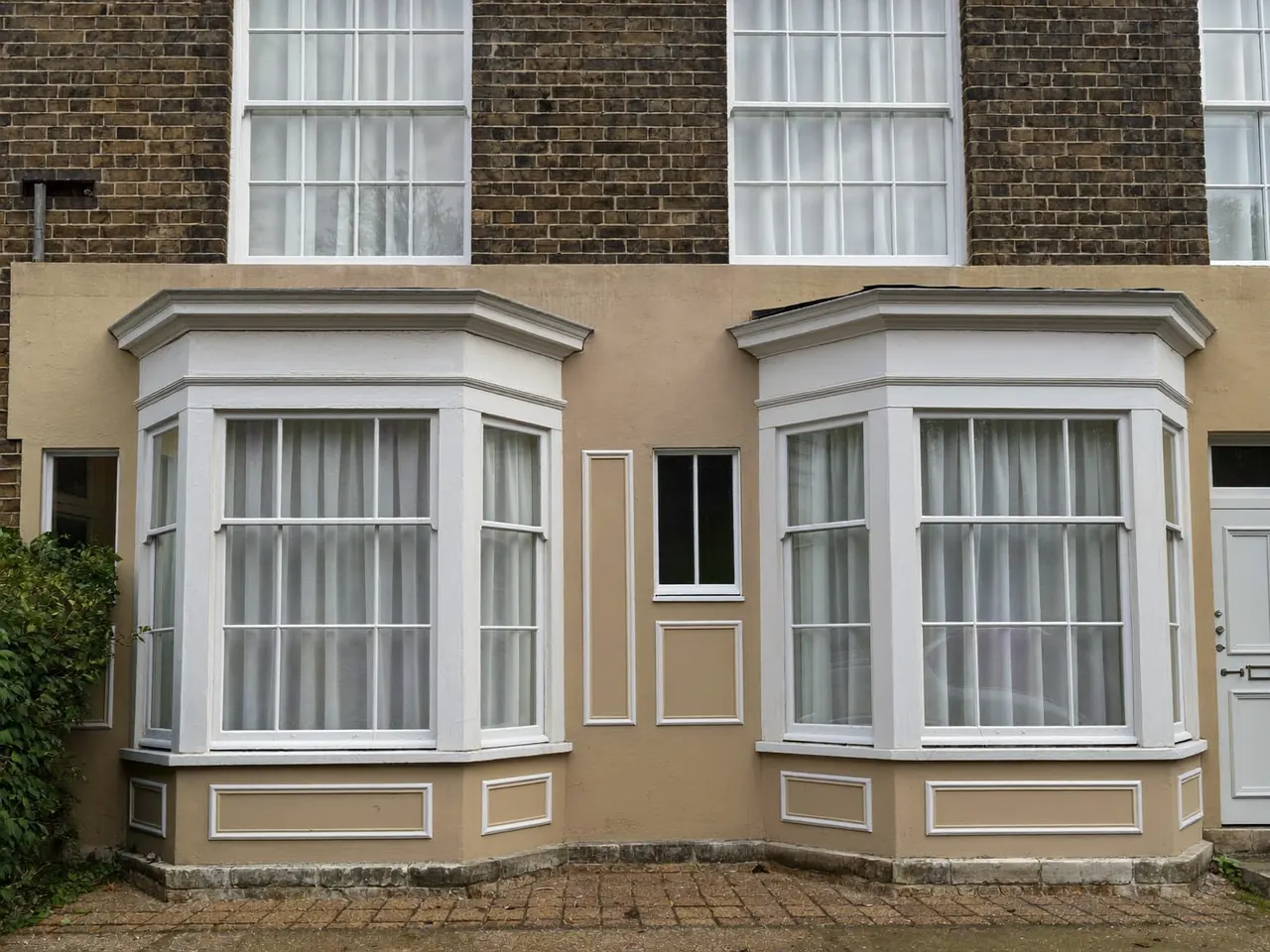
Timber is the traditional choice, and nothing quite matches real wood grain on a period or conservation-area home. Today’s factory finishes protect it far better than the timber of old, though it still asks for a little more care over the decades. Our timber double glazing explained page covers the upkeep honestly.
Not sure which suits your house?
Tell us a little about your property and we’ll match you with installers who can quote for the material you like the look of. Requesting a quote is free, with no obligation.
Build my quote →At a glance
| Material | Typical cost | Upkeep | Best for |
|---|---|---|---|
| uPVC | Most affordable | Very low — occasional wipe | Most homes, best value |
| Aluminium | Premium | Very low — durable finish | Modern homes, big glass |
| Timber | Premium | Periodic care needed | Period & conservation homes |
What about performance and cost?
All three materials can be fitted with high-performance sealed units, so the glass matters as much as the frame for warmth and quiet. According to the Energy Saving Trust, upgrading old windows to modern double glazing typically reduces heat loss, with the exact benefit depending on what you are replacing. On price, funding and contribution options may be available, subject to eligibility and a home survey, and £0-upfront options may be available for those who qualify — your matched installer will confirm what applies to you.
For a second opinion it is worth reading our verdict on the best window materials and understanding how long new windows last. You can also compare glazing types and quotes or compare double glazing companies side by side to sense-check your shortlist.
Who fits the windows?
We are a quote-matching service, not an installer. Qualified enquiries are matched with vetted fitters, including our installation partner Help 2 Buy Windows — the UK’s No.1 double glazing installer on Trustpilot. They carry out the survey, confirm the specification and handle the fitting, so the quote you receive reflects real measurements rather than a generic price list.